1353. Maximum Number of Events That Can Be Attended
1353. Maximum Number of Events That Can Be Attended
Description
You are given an array of events where events[i] = [startDay<sub>i</sub>, endDay<sub>i</sub>]. Every event i starts at startDay<sub>i</sub> and ends at endDay<sub>i</sub>.
You can attend an event i at any day d where startTime<sub>i</sub> <= d <= endTime<sub>i</sub>. You can only attend one event at any time d.
Return the maximum number of events you can attend.
Example 1:
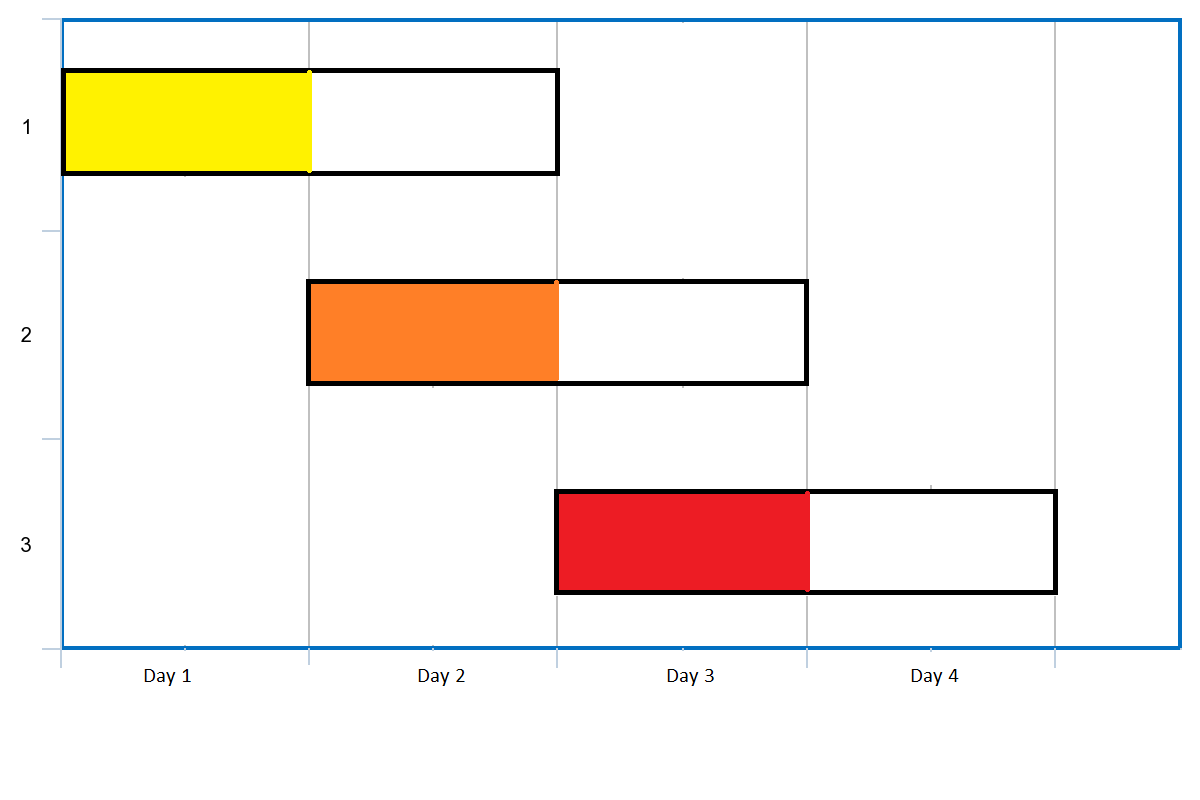
1 | Input: events = [[1,2],[2,3],[3,4]] |
Example 2:
1 | Input: events= [[1,2],[2,3],[3,4],[1,2]] |
Constraints:
1 <= events.length <= 10^5events[i].length == 21 <= startDay<sub>i</sub> <= endDay<sub>i</sub> <= 10^5
Hints/Notes
- 2025/03/29 Q2
- priority queue
- No solution from 0x3F or Leetcode
Solution
Language: C++
1 | class Solution { |